


How Do Companies Deal with Economic Crises?
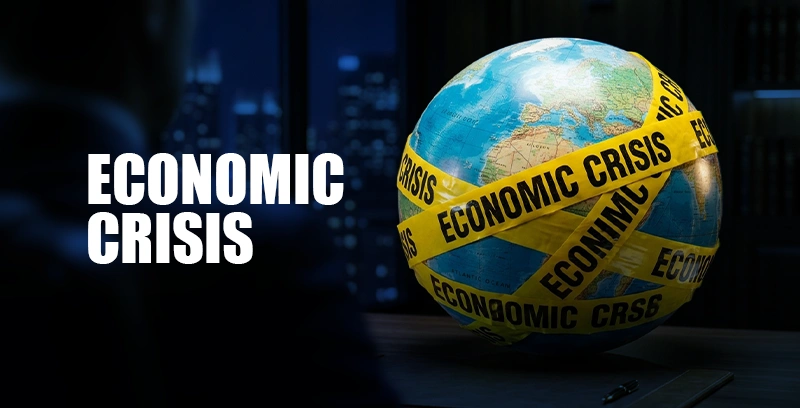
Have you ever wondered how some companies manage to survive and even grow during difficult economic times, while others struggle to maintain their position? An Economic Crisis can impact businesses in many ways, from declining sales and rising costs to operational challenges. However, with effective Business Management and strategic decision-making, companies can adapt to uncertainty and find new ways to remain competitive.
Through proper Crisis Management, Financial Planning, and smart Cost Reduction strategies, businesses can protect their resources and maintain stability. In addition, strong Risk Management practices and a focus on Business Sustainability help organizations overcome challenges and prepare for future growth. This article explores how companies navigate economic crises and build resilience in changing markets.
Understanding Economic Crises
An Economic Crisis is a period of financial instability that can affect businesses, markets, and overall economic growth. During these challenging times, companies may face declining demand, increased costs, supply chain disruptions, and uncertainty about the future.
Understanding the causes and effects of an economic crisis is essential for effective Business Management, as it helps leaders make informed decisions and develop appropriate responses. Through effective Crisis Management, businesses can identify potential threats and take proactive steps to reduce their impact. Strong Financial Planning, strategic Cost Reduction, and effective Risk Management allow organizations to maintain stability and protect their resources. By focusing on Business Sustainability, companies can not only overcome economic challenges but also create a stronger foundation for long-term success.
How Do Companies Deal with Economic Crises?
When markets become uncertain, successful companies do not just react; they prepare and adapt.
Through effective management strategies, businesses can overcome economic crises and continue moving forward.
1. Developing Effective Business Management Strategies
During an Economic Crisis, companies need strong Business Management strategies to adapt to changing market conditions. Business leaders focus on making informed decisions, improving operational efficiency, and identifying new opportunities to maintain stability and competitiveness.
2. Implementing Crisis Management Plans
Effective Crisis Management helps businesses respond quickly to unexpected challenges. Companies create action plans, improve communication, and take proactive steps to reduce the impact of economic disruptions on their operations.
3. Strengthening Financial Planning
Strong Financial Planning is essential during an economic downturn. Companies carefully monitor cash flow, manage budgets, and prioritize essential investments to ensure they have the resources needed to continue operating.
4. Applying Smart Cost Reduction Methods
Many businesses rely on strategic Cost Reduction to protect profitability during difficult periods. Instead of cutting expenses randomly, companies focus on improving efficiency, reducing waste, and optimizing resources without affecting product or service quality.
5. Managing Risks Effectively
Risk Management allows companies to identify potential threats and prepare solutions before problems become more serious. By analyzing risks and creating contingency plans, businesses can minimize losses and improve their ability to handle uncertainty.
6. Maintaining Business Sustainability
Long-term Business Sustainability is a key goal for companies facing economic challenges. Organizations that focus on innovation, adaptability, and customer value are more likely to overcome an Economic Crisis and build a stronger foundation for future growth.
The Impact of Economic Challenges on Businesses
An Economic Crisis can create major challenges for businesses, affecting their financial stability, operations, and future growth.
Understanding these impacts helps companies develop effective strategies to adapt and remain competitive.
- Declining Revenue and Customer Demand: Economic challenges often reduce consumer spending, which can lead to lower sales and affect business profitability.
- Increased Operational Costs: Rising prices and supply chain disruptions can increase expenses, making Cost Reduction strategies essential for maintaining efficiency.
- Financial Pressure and Cash Flow Issues: Companies need effective Financial Planning to manage resources, control expenses, and ensure business continuity during uncertain periods.
- Need for Strong Crisis Management: Effective Crisis Management helps businesses respond quickly to unexpected challenges and minimize potential losses.
- Higher Business Risks: Through proper Risk Management, organizations can identify potential threats and create plans to protect their operations.
- Challenges to Long-Term Growth: Maintaining Business Sustainability becomes more difficult during economic downturns, requiring strong Business Management and strategic decision-making to support future success.
The Role of Leadership During Difficult Times
During an Economic Crisis, strong leadership is essential for helping businesses overcome uncertainty and maintain stability. Effective leaders use Business Management strategies to make informed decisions, manage resources, and guide their teams through challenges.
- Strategic Decision-Making: Leaders rely on Financial Planning to manage resources and maintain business performance.
- Crisis Response: Strong Crisis Management helps companies handle disruptions and reduce negative impacts.
- Cost Control: Smart Cost Reduction strategies improve efficiency while protecting business value.
- Risk Preparation: Effective Risk Management helps identify threats and create solutions.
- Long-Term Success: Focusing on Business Sustainability enables companies to adapt and grow despite economic challenges.
To conclude, economic challenges can test the strength of any organization, but they also create opportunities for improvement and growth. Companies that remain flexible, make thoughtful decisions, and focus on continuous development are more likely to overcome uncertainty and build a stronger future.